Restore Your Property Today
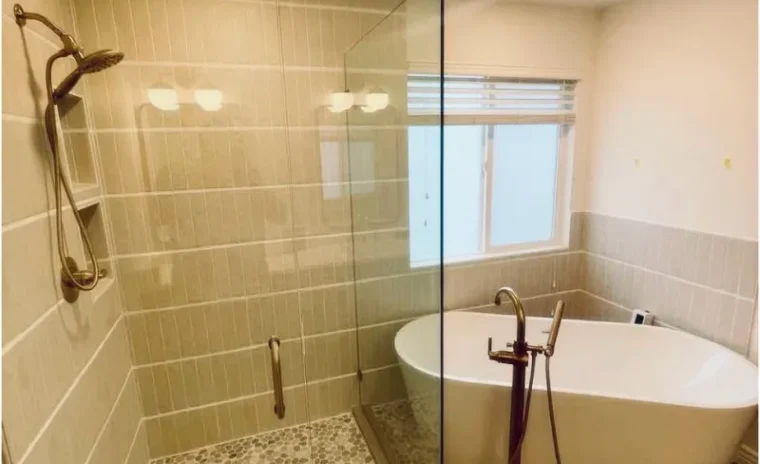
How to Plan a Bathroom Remodel: A Step-by-Step Guide for Homeowners
A bathroom remodel can improve your home’s function, comfort, and appearance, but getting the project right starts long before demolition. From setting a realistic budget to choosing fixtures, planning the layout, securing permits, and hiring the right professionals, each decision can affect the final result.
If you’re wondering how to plan a bathroom remodel, the best approach is to work through the project in a logical order. Careful planning can help prevent unexpected costs, construction delays, and design choices that do not work well with your home.
1. Start With Your Bathroom Remodeling Budget
Before choosing tile or browsing vanities, establish how much you are prepared to spend. Your budget should account for materials, labor, permits, demolition, disposal, and potential issues discovered once walls or flooring are opened.
It is also smart to set aside additional funds for unexpected repairs. Older bathrooms may have damaged subfloors, outdated plumbing, inadequate wiring, or moisture-related problems that need attention.
A clear budget gives you a practical starting point and helps you decide where to invest more and where to save.
2. Decide What You Want to Change
Not every bathroom remodel requires a complete overhaul. Determine whether you want to update the appearance, improve functionality, increase storage, or change the entire layout.
Make a list of your priorities. For example:
- Replace an outdated tub with a walk-in shower
- Add a larger vanity
- Improve bathroom lighting
- Increase storage
- Replace old flooring
- Upgrade plumbing fixtures
- Improve ventilation
- Correct water damage
Knowing your priorities makes later design and material decisions much easier.
3. Plan the Bathroom Layout Carefully
Layout decisions can have a major effect on the cost and timeline of your project. Keeping plumbing fixtures in their existing locations may reduce the amount of plumbing work required, while moving a toilet, shower, or sink can increase labor and construction requirements.
Think about how the bathroom is used every day. Consider door swings, walking space, storage, lighting, shower access, and the placement of fixtures.
A beautiful bathroom still needs to function well. Good planning balances appearance with practical use.
4. Choose Fixtures and Materials
Once the layout is established, start selecting the products and finishes that will go into the space. This may include:
- Vanity and countertop
- Toilet
- Shower or bathtub
- Faucets
- Shower fixtures
- Flooring
- Wall tile
- Lighting
- Mirrors
- Cabinets and storage
- Exhaust fan
Order materials early when possible. Special-order products can take longer to arrive, and a missing fixture or tile can slow down construction.
It is also important to choose materials that are appropriate for a moisture-heavy environment. Waterproofing, proper ventilation, and durable finishes can help protect your investment.
5. Understand When Permits Are Needed
Depending on your location and the scope of the work, your bathroom remodel may require permits. Projects involving structural changes, plumbing, electrical work, or other major modifications may have specific local requirements.
Ask your remodeling professional which permits apply to your project and who will handle them. Taking care of this early can help avoid delays and potential problems later.
6. Know Who to Hire for Bathroom Remodel Work
A bathroom remodel can involve several specialized trades. Plumbing, electrical work, waterproofing, flooring, drywall, cabinetry, and finish installation all need to work together.
So, who to hire for bathroom remodel projects depends partly on the scope of the work. For a project involving multiple trades, a qualified remodeling team can coordinate the work from start to finish instead of leaving you to manage several separate professionals.
The right team should understand how the different parts of the bathroom interact. For example, plumbing and electrical work need to be completed at the right stages, while waterproofing must be handled properly before tile installation.
7. Learn How to Hire a Contractor for Bathroom Remodel Projects
Knowing how to hire a contractor for bathroom remodel work can save homeowners significant frustration. Start by looking for contractors with relevant remodeling experience, proper licensing where required, insurance coverage, and clear warranties.
Ask potential contractors:
- How long have you been remodeling bathrooms?
- Who will perform the plumbing and electrical work?
- Will you handle required permits?
- What is included in the project scope?
- How are changes handled?
- What warranties are provided?
- What is the expected timeline?
Do not base your decision on price alone. A significantly lower bid may leave out important work, materials, or project details.
8. Know How to Choose a Bathroom Remodeling Contractor
When considering how to choose a bathroom remodeling contractor, pay attention to communication as much as experience. A good contractor should be able to explain the scope of work, expected timeline, material choices, and potential challenges in clear language.
Look for a team that provides detailed project information rather than vague promises. Written agreements, defined responsibilities, warranty-backed work, and proper insurance can give you a clearer understanding of what you are paying for.
Reviews and references can also help you understand how a contractor handles scheduling, communication, workmanship, and unexpected issues.
9. Set a Realistic Remodeling Timeline
Bathroom remodels can take anywhere from several weeks to longer depending on the project’s size, material availability, permitting, and whether the layout is changing.
A typical project may include planning, demolition, plumbing and electrical work, wall or floor preparation, waterproofing, fixture installation, tile work, cabinetry, painting, and final inspections.
Delays can happen when materials arrive late or unexpected problems are discovered. Your contractor should provide a realistic schedule and keep you informed if conditions change.
10. Consider Whether a Bathroom Remodel Increases Home Value
One of the most common homeowner questions is, does bathroom remodel increase home value?
A well-planned bathroom renovation can make a home more appealing to potential buyers and may contribute to its overall market value. However, the return depends on factors such as the home’s location, the quality of the renovation, the materials selected, and current buyer preferences.
Avoid over-improving the bathroom compared with the rest of the property. A practical, attractive renovation that fits the home’s overall quality may be more valuable than spending heavily on features that future buyers may not prioritize.
Plan Before You Remodel
Learning how to plan a bathroom remodel gives you the opportunity to make informed decisions before construction begins. Start with a realistic budget, determine your priorities, finalize the layout, select materials, understand permit requirements, and choose qualified professionals for the work.
The contractor you select can have just as much impact on the finished bathroom as the products you choose. An experienced remodeling team can coordinate plumbing, electrical, waterproofing, installation, and finishing while helping keep the project organized.
With the right plan and the right team, your bathroom remodel can be designed around how you actually live while adding functionality, style, and lasting value to your home.